WHO QUALIFIES
Dead for 20 years
A recipient must have died at least 20 years ago, so the decision is made with enough hindsight. The rule is now applied without exception.
Check a candidate doodlefame
HOW THE SCHEME WORKS
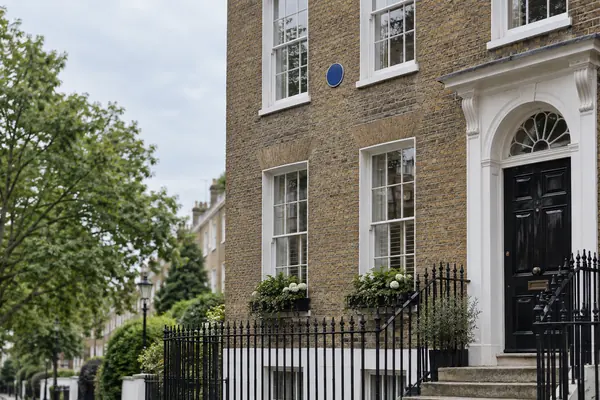
A blue plaque links a person to a place.
Check a candidate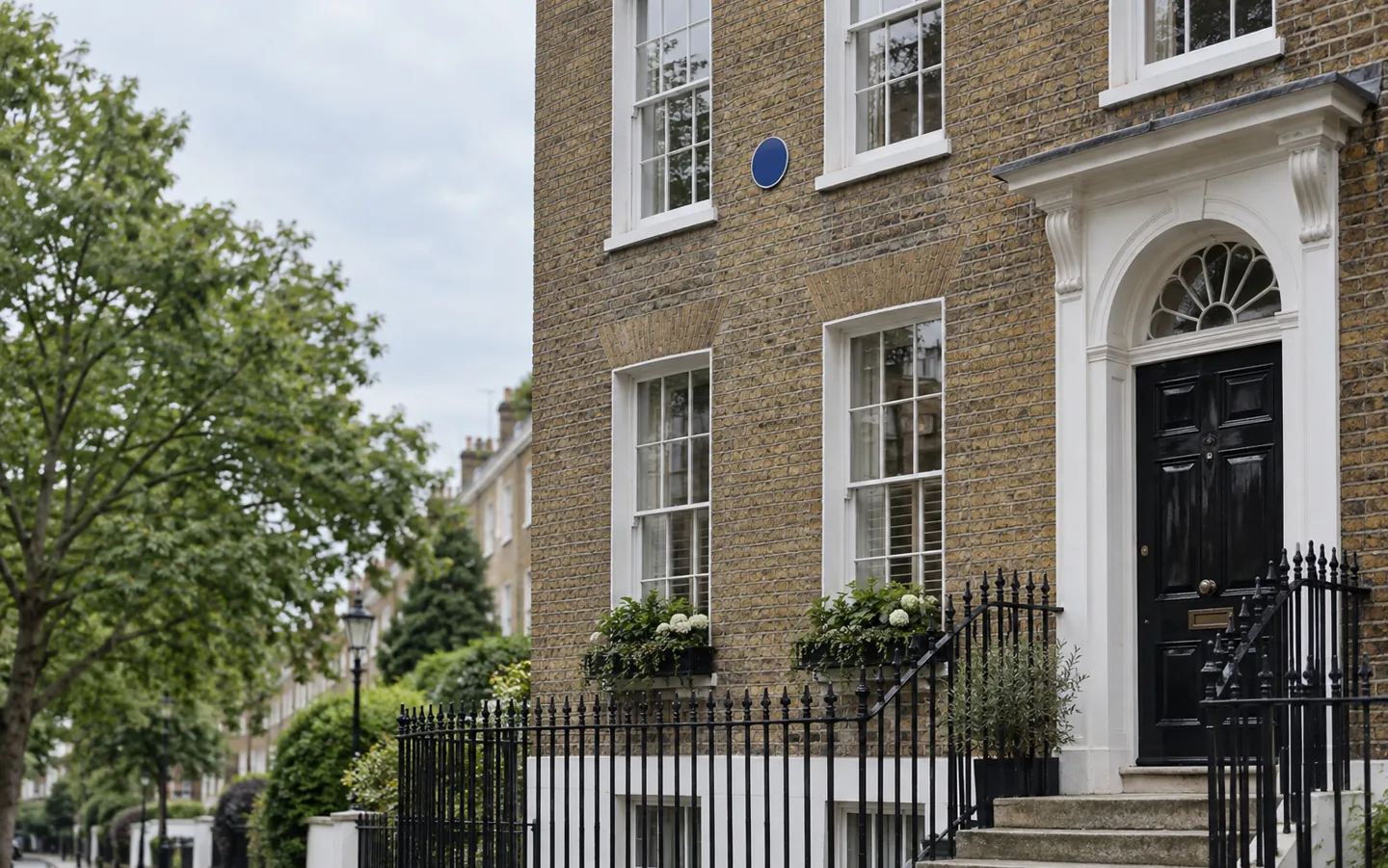
20 YEARSand a surviving building
London's scheme began in 1866 and is now run by English Heritage. It has strict rules: the person must have died at least 20 years ago, and the building they knew must still stand.
At a glance
1,000+
Official plaques in London since 1866
Over 1,000 official plaques have been put up in London by English Heritage and its predecessors. Eighteen houses currently carry two official plaques.
THE SCHEME · ENGLISH HERITAGE
2–3 years
From shortlist to wall
Once a nomination is shortlisted, it usually takes two to three years for a plaque to go up, because of a two-stage research process and the need for the building owner's consent.
THE WAIT · ENGLISH HERITAGE
TWO NUMBERS WORTH KNOWING
One figure on the size of the scheme,
one on how long a new plaque takes.
English Heritage receives many more suggestions than it can approve, so shortlisting is highly selective. Listed building consent may also be needed before a plaque goes up.
A QUICK CANDIDATE CHECK
Pick a situation to see how it fits English Heritage's published criteria. The bar shows how likely the scheme is to consider it.
Based on English Heritage's published guidance for the London blue plaques scheme. The Blue Plaques Panel makes the final shortlist.
THE SHORT ANSWER
Plaques are as much about buildings as people.
That is why the rules are so strict.
WHO QUALIFIES
A recipient must have died at least 20 years ago, so the decision is made with enough hindsight. The rule is now applied without exception.
Check a candidateTHE BUILDING
English Heritage only puts up a plaque if a surviving building closely linked to the person still stands. Plaques once marked demolished sites, but no longer.
Why buildings matterHANDMADE
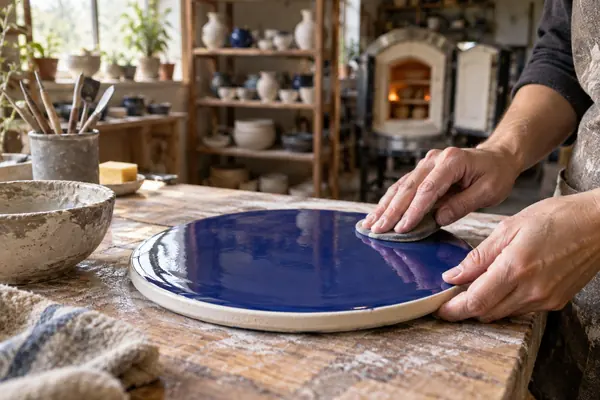
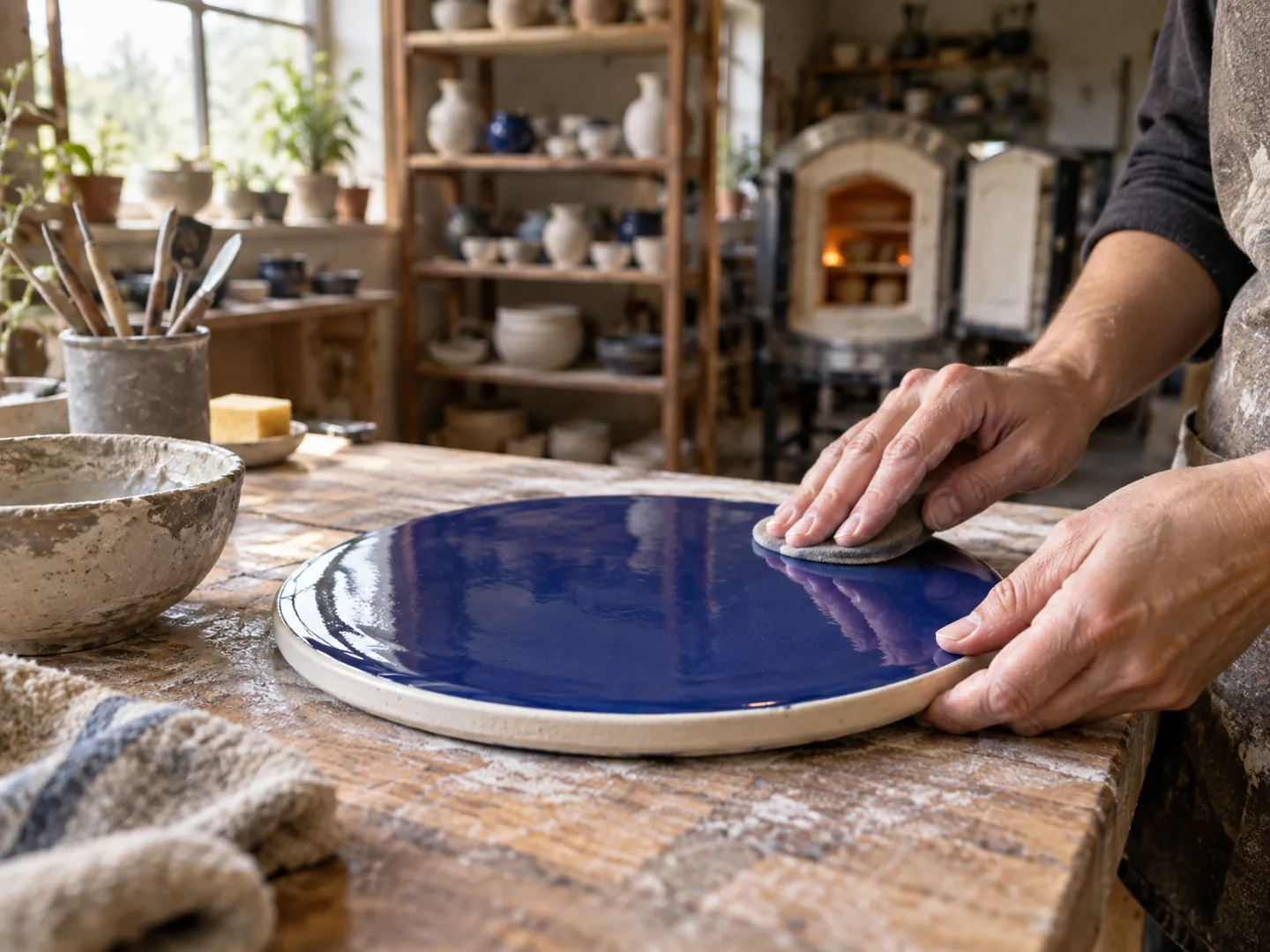
Each plaque is handmade from white stoneware by artisan ceramicists and kiln-fired twice, so making one takes several months.
See the numbers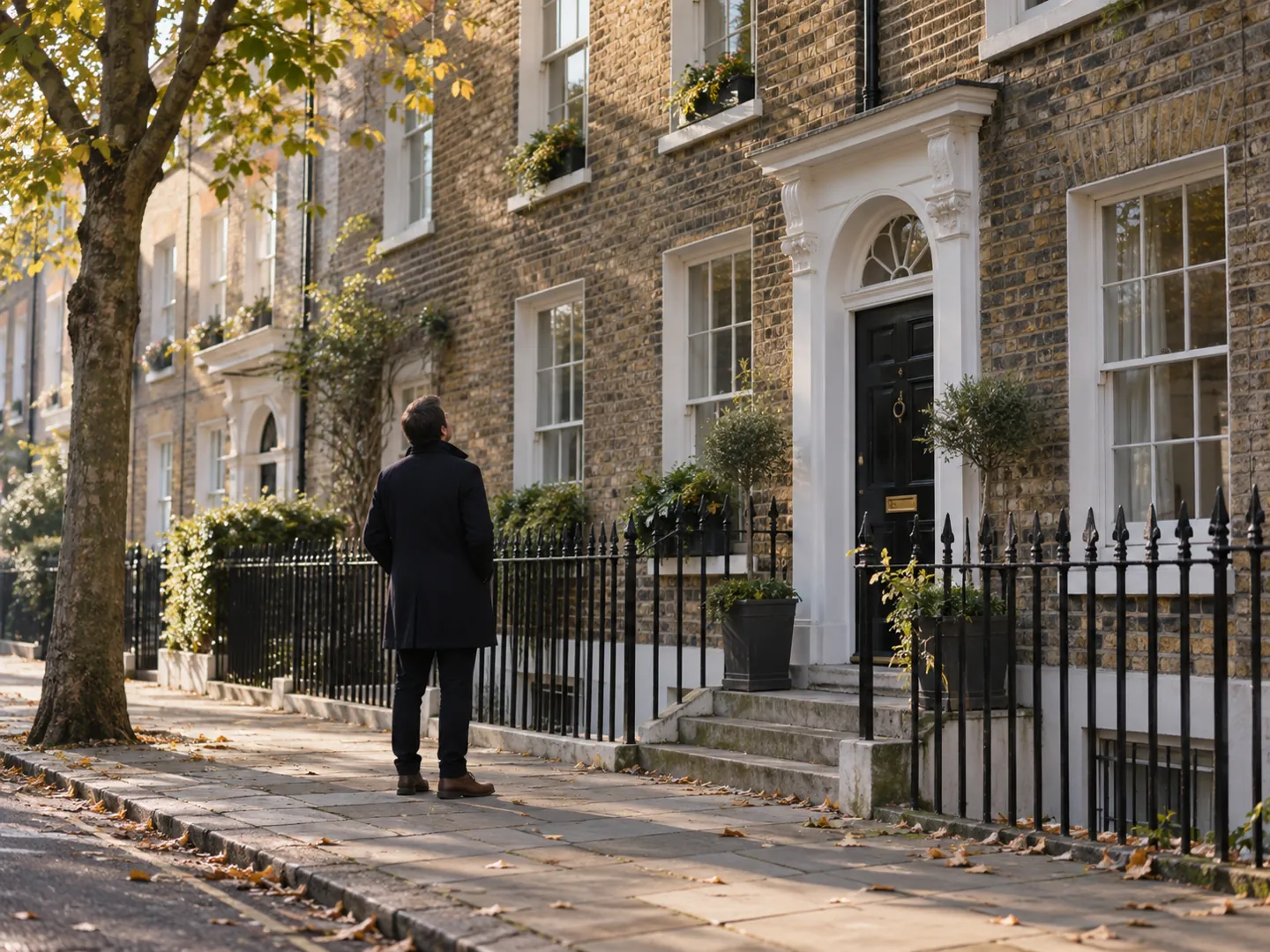
FOUR STEPS TO PROPOSE A PLAQUE
The scheme relies on suggestions from the public. English Heritage asks proposers to do some groundwork first.
Check the person does not already have one, since the rule is now one plaque per person.
They must have died at least 20 years ago, and a building they lived or worked in must survive.
Biographies, electoral registers, Post Office directories and census returns can confirm where and when they lived.
Download the nomination form, add the evidence and dates of residence, and email or post it to the Blue Plaques Team.
WHY THE BUILDING MATTERS
Plaques celebrate the relationship between people and place, so English Heritage now believes that if a building no longer survives, the most meaningful connection has been lost. The very first plaque went up in 1867 on a house demolished in 1889.
Blue plaques give no legal protection, but they raise awareness of a building's history, and English Heritage says that has helped preserve several homes. Made from glazed stoneware, slightly domed so rain cleans them, plaques can last as long as the building.
Questions
No. The very first plaques were blue, but early makers also tried brown, terracotta, green, bronze, lead and stone, in squares and rectangles too. The blue roundel became standard after the Second World War.
Look for the name of one of the four bodies that have run the scheme: the Society of Arts, the London County Council, the Greater London Council or English Heritage.
An unnamed student of the Central School of Arts and Crafts designed the simplified London plaque in 1938 and was paid four guineas. Each plaque is usually 19 inches across.
Yes. English Heritage says Historic England runs a plaque scheme covering England outside London, and many councils and civic societies run their own schemes with different criteria.
The property owner. English Heritage offers advice on cleaning or conservation when helpful, though it says this is rarely necessary because the plaques are so durable.
Sources
ABOUT THIS NAME
doodlefame.com is part of the DoodleSale portfolio. It isn't in an auction right now, but you can ask about leasing it.